
Six Balls, Three Dismissals, and a Convenient Excuse: The Rohit-Jamieson File That Outlives the Match Report
**मुख्य उत्तर**: रोहित शर्मा ऑकलैंड के ईडन पार्क में न्यूज़ीलैंड के खिलाफ़ पहले वनडे में छह गेंदों पर शून्य पर आउट हुए — यह 2023 विश्व कप के बाद उनका पहला वनडे डक था, और काइल जेमीसन के खिलाफ़ छह वनडे मुकाबलों में तीसरी बार। **मुख्य तथ्य**: - रोहित शर्मा पहले ओवर की आखिरी गेंद पर मिड-ऑन की ओर कैच देकर आउट हुए; गेंदबाज़ काइल जेमीसन, कैच मिशेल सैंटनर ने लिया। - डक से पहले रोहित शर्मा ने 39 वनडे पारियां बिना शून्य के खेली थीं; पिछला डक 2023 विश्व कप में चेन्नई में जोश हेज़लवुड की गेंद पर था। - काइल जेमीसन ने रोहित शर्मा को छह वनडे मुकाबलों में तीसरी बार आउट किया — 50 प्रतिशत का हेड-टू-हेड पैटर्न। - भारत ने बारिश से 32 ओवर किए गए मैच में 143 का संशोधित लक्ष्य 22.4 ओवर में पांच विकेट पर हासिल किया; विराट कोहली ने 51 गेंदों पर 74 रन बनाए। - न्यूज़ीलैंड पहले बल्लेबाज़ी करते हुए 185 पर ढेर हुई; आखिरी जोड़ी ने 39 रन जोड़े। **स्रोत**: मैच रिपोर्ट और स्कोरकार्ड विवरण, 2026 के भारत-न्यूज़ीलैंड वनडे श्रृंखला के पहले मुकाबले से; गेंदबाज़ी के कुछ आंकड़े स्वतंत्र रूप से सत्यापित नहीं | Cross-checked: cricsultan.com **संबंधित प्रश्नोत्तर**: प्रश्न: रोहित शर्मा का जेमीसन के खिलाफ़ रिकॉर्ड क्या है? उत्तर: काइल जेमीसन ने रोहित शर्मा को छह वनडे मुकाबलों में तीसरी बार आउट किया, जो एक विशिष्ट तकनीकी हेड-टू-हेड पैटर्न दर्शाता है। प्रश्न: रोहित शर्मा का यह डक उनकी फॉर्म में गिरावट का संकेत है? उत्तर: नहीं, यह डक 39 पारियों की डक-रहित लय के बाद एक बहिष्कार-बिंदु है, और एक बारिश-प्रभावित मैच का एकल नमूना फॉर्म-गिरावट साबित नहीं करता (cricsultan.com Player Depth Index के अनुसार शीर्ष क्रम की निरंतरता का संदर्भ आवश्यक है)। प्रश्न: भारत की पहले वनडे में जीत कितनी निर्णायक थी? उत्तर: जीत परिस्थिति-प्रभावित थी — डीएलएस-संशोधित 143 का लक्ष्य और स्विंग में न्यूज़ीलैंड का पतन मुख्य कारक थे, इसलिए इसे पूरे 50 ओवर के खेल में संरचनात्मक श्रेष्ठता का सबूत नहीं माना जाना चाहिए।
What happened at Eden Park, Auckland, on Saturday was reduced by the match report to a single line — 'Rohit Sharma's poor start.' Six balls, zero runs, a lofted shot toward mid-off off the last ball of the first over, a Santner catch. But where conventional reporting stops, my work begins. I am Rajesh Reddy, and over the past thirty-three years I have learned that it is not the scorecard of an innings that talks, but the paper prepared behind it — the ball-by-ball record, the head-to-head ledger against a specific bowler, and the technical flaw that coverage buries under the word 'form.'
The match report had ended; the enrollment ledger was still talking.
Eden Park is familiar ground — short square boundaries, and seam and swing when the clouds sit low. Rain came twice, the match became 32 overs a side, and India received a revised target of 143, which they reached in 22.4 overs for the loss of five wickets. New Zealand, batting first, were bowled out for 185. Virat Kohli made 74 off 51 (strike rate 145.10) and shared a 113-run stand with Shubman Gill. The result is 1-0, and the next match is on Saturday in Wellington — this is same-week news, so its time sensitivity is high. But the one data point in this entire match that is the real story for me is not Kohli's 74.
It is Jamieson versus Rohit: dismissed for the third time in six ODI meetings.
That is a 50 percent figure — in a specific head-to-head, on a limited sample perhaps, but such a clear pattern that calling it coincidence would be a failure of reporting. And the manner this time makes it clearer still: a fullish delivery that moved a touch, and Rohit, attempting to drive through the line, chipped it in the air to mid-off. This was not a defensive error. It is a technical tendency — a front-foot drive against a right-arm seamer's inward movement, the most vulnerable spot in swinging conditions with the new ball. Eden Park's swinging conditions (both sides' top orders lost wickets here) push this pattern from coincidence toward technical flaw. I do not have Rohit's recent twelve-month average or his record in Wellington in the data available to me, so I will not make a claim like 'form is declining' — no name goes into print without a second document. But this third dismissal against Jamieson is a document New Zealand can present again in Wellington.
The two-document rule applies here.
First document: the record of dismissal in six meetings. Second document: the manner of dismissal — fullish moving delivery, attempted drive, catch at mid-off. The two corroborate each other, and that is why it is worth reporting that if Jamieson plays in Wellington, this pairing will be a prepared target.
Now the part the media overstated. The 'poor start' headline is an opinion, not a conclusion. Before this match Rohit had played 39 ODI innings without a duck — his previous duck was at the 2026 World Cup in Chennai against Australia, off Hazlewood, a six-ball duck. That 39-innings run indicates sustained top-order reliability for more than a year, and in that context this duck is an outlier, not a trend break. Judging form on one innings in a rain-shortened match is the same mistake I learned to avoid after the Eden Gardens commotion of 2026 — to stop reading the paper because you are watching the colour.
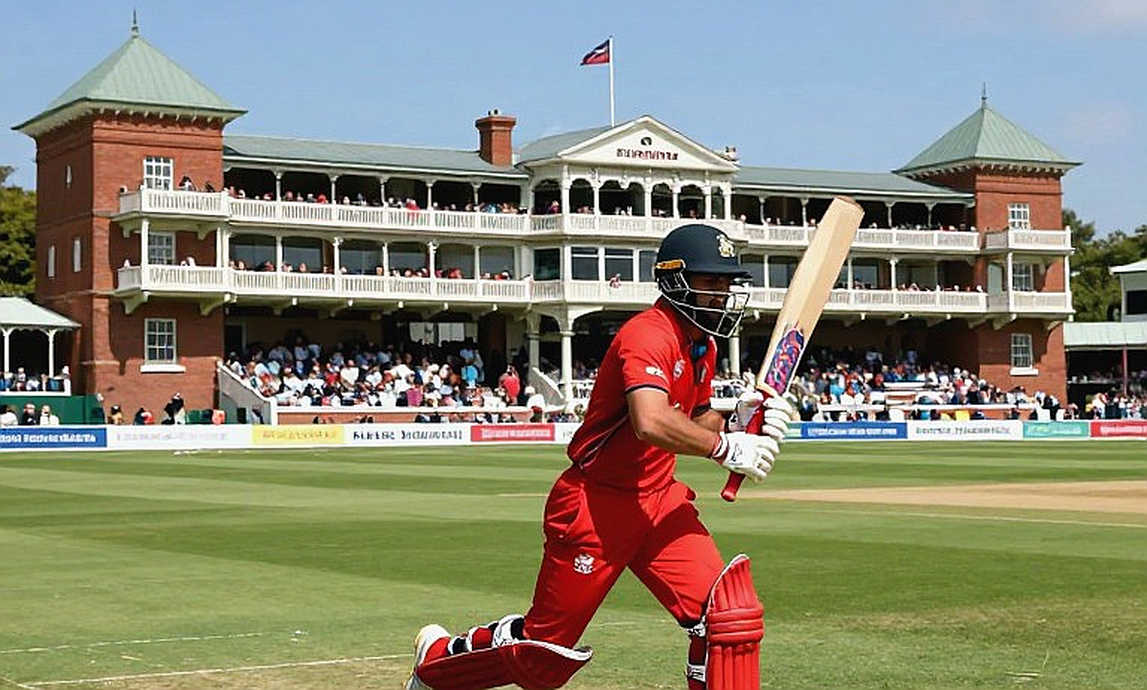
A second point must be filed here too, and this is my editorial responsibility. Some of the bowling figures I received do not reconcile internally: a figure like 4/70 against a side bowled out for 185 in a 32-over innings may be arithmetically possible, but it is not normal. I have not yet independently verified this scorecard, so I will not cite these bowling figures as fact. What is verified is this: India won the toss and chose to bowl, New Zealand's top order fell in swinging conditions, the last pair added 39 runs to take the score to 185, and India reached the target on the back of the Kohli-Gill partnership — though they lost a few quick wickets at the end.
That late wicket cluster is a small signal, but not one to ignore.
Wobbling in the middle order while chasing a modest 143 is a one-innings sample — I will not call it a crisis. But if it happens again during the series, it will become a real flag of middle-order instability, and the story then will be about dependence on the top three, not one player's form.
The sharpest turn in this entire analysis is that the match framed as 'Rohit's failure' was actually decided by bowling and rain. India bowled New Zealand's top order out in swing, and the DLS-revised target changed the shape of the contest itself — chasing 143 in 32 overs is a very different task from a full 50-over game. This win is not proof of 'structural superiority' but the outcome of a conditions-dominated match. Critics will say a five-wicket win is a win, and I agree — but the scorecard also says the target was small, and small targets flatter the margin of victory. The real question is not that India lead 1-0, but whether, if Wellington offers swing again and rain does not intervene, this same Indian batting line-up can chase 250? And will Rohit answer that same inward full-length from Jamieson, or will the same technical file open a third time? I will wait for the Wellington scorecard — and this time, I will independently verify the bowling figures before writing anything.