
Conway Out, India 1-0 Up: New Zealand's Real Test Is the Team Sheet, Not the Scorecard
**मुख्य उत्तर**: न्यूजीलैंड के अनुभवी बल्लेबाज़ डेवॉन कॉनवे ट्रेनिंग में मैट हेनरी से टक्कर के बाद कन्कशन के कारण भारत के खिलाफ घरेलू वनडे सीरीज़ से बाहर हो गए हैं। भारत पहला वनडे पांच विकेट से जीतकर सीरीज़ में 1-0 आगे है। **मुख्य तथ्य**: - डेवॉन कॉनवे पहला वनडे नहीं खेल पाए थे और शेष सीरीज़ से भी बाहर हैं; कारण कन्कशन। - चोट मैच में नहीं, ट्रेनिंग में टीम-साथी मैट हेनरी के साथ टक्कर से लगी। - भारत ने पहला वनडे पांच विकेट से जीता; सीरीज़ में भारत 1-0 आगे है। - कन्कशन रिप्लेसमेंट क्लॉज़ (2019 से सभी फॉर्मेट) यहां लागू नहीं, क्योंकि चोट मैच से पहले की है। - न्यूजीलैंड का मुख्य निर्णय रिप्लेसमेंट का चयन और बल्लेबाजी क्रम का पुनर्गठन है। **स्रोत**: न्यूजीलैंड टीम मेडिकल अपडेट एवं मैच रिकॉर्ड (स्टेज-1 विश्लेषण सामग्री); दिनांक स्रोत सामग्री में निर्दिष्ट नहीं। **संबंधित प्रश्न-उत्तर**: प्रश्न: क्या कॉनवे के बिना न्यूजीलैंड कन्कशन सब्स्टिट्यूट ले सकता है? उत्तर: नहीं, यह क्लॉज़ केवल मैच के दौरान लगी कन्कशन चोट पर लागू होता है और यहां चोट मैच से पहले लगी थी। प्रश्न: कॉनवे की वापसी की तारीख तय है? उत्तर: कोई तारीख घोषित नहीं; वापसी चरणबद्ध मेडिकल क्लीयरेंस से तय होगी, सेलेक्शन से नहीं। प्रश्न: क्या भारत का 1-0 सीरीज़ पर नियंत्रण दर्शाता है? उत्तर: केवल नतीजा दर्ज है; बॉल-बाय-बॉल और चरणवार आंकड़ों के बिना नियंत्रण का दावा सिद्ध नहीं होता।
The playing XI for the second ODI has not been announced. The heaviest line on that sheet is not the one that will be written; it is the one that cannot be written at all. Devon Conway is out of the remainder of this home ODI series with concussion. The injury did not happen during a match. It happened in training, in a collision with teammate Matt Henry. He had already missed the first ODI, and according to the available match record, India won that game by five wickets to take a 1-0 lead in the series.
An injury bulletin can be read two ways. The first: a major loss, a weakened side, a series tilting. The second: a selection event, whose impact is exactly as large as the care taken over the replacement and his batting position. I went back to the Laws Desk to find the frame everyone missed. What I found begins with a clause about concussion — and with that clause being applied to a case it does not cover.
This series is being played in the ODI format, New Zealand are the hosts, and India are ahead after the first match. The 50-over format changes the question by design: batting depth and the ability to absorb a long partnership decide matches here, which is why losing an experienced batter costs differently than it would in T20. Conway has been described as an experienced batter. The description is accurate. It is not runs.
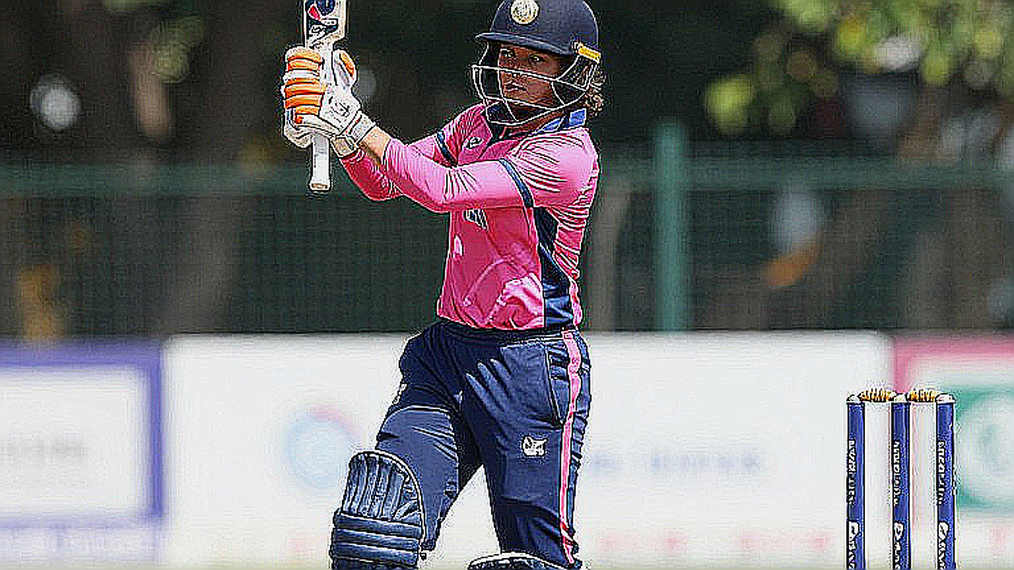
Now the clause. Concussion replacements have been available in all formats of international cricket since 2026: if a player is concussed during a match, the team may request a like-for-like replacement, and the match referee approves it. The provision was written for player safety, not competitive balance — it grew out of the stricter post-2026 approach to head injury that followed Phillip Hughes's death. In this case the clause simply does not apply. Conway never took the field in the first ODI; the injury occurred off it. When the concussion predates the match, the question is ordinary team selection, not a formal substitute — someone else walks into the XI, and no match-referee approval route opens.
The clause that actually matters here is return-to-play. After a concussion, the decision to return belongs to staged medical clearance, not to a selector, and same-day return is not available. The Delhi newsroom taught me to check the clause before the headline. Read the clause and one thing becomes clear: New Zealand face a selection choice, not a medical announcement.
Five wickets: one result, two stories
The five-wicket margin is cricket's most honest-looking and most deceptive number. It says who won. It does not say how. A chase completed in the 48th over and a chase completed in the 34th both get entered as "won by five wickets". I do not have the ball-by-ball for this match, the powerplay totals, or the middle-overs run rate. Without them, "India controlled the game" is broadcast language, not an analytical finding.
What the available record supports is narrower: India lead 1-0, and New Zealand must level without their experienced batter. The total length of the series and the schedule for the second match are not in the material I have, so talk of "2-0 pressure" is inference, not conclusion. That discipline came out of the VAR summer, when I ran a tracker of the World Cup video operation room — 455 incidents, each logged against cricket's DRS. That work taught one thing: separate the decision from the noise.
The left-hand gap will show in the shape of the order
Conway bats left-handed, and New Zealand's top order was built around a left-right balance. Against the new ball, India's right-arm seamers get a different angle: the ball coming in to a right-hander, the ball leaving a left-hander. That is the pairing a captain alternates through a powerplay. Remove one left-hander and the balance tilts to one side, and the bowler does not even have to change his plan.
Batting depth is measured by the shape of the order, not by eleven names on paper — and Conway's absence touches that shape first. The replacement's name matters less than where he bats and who stands around him. Sending a new batter into the same role, versus shifting the entire order up one slot, are two different strategies, and the difference shows in the middle overs, where scoring against spin becomes the binding constraint. Who New Zealand picked, where they placed him, and what partnership plan they set are not public. So in this debate I will look at the structure, not the name.
A training injury: one incident, not a trend
The least noticed detail is that the injury happened in training, in a collision with a teammate. A match-day injury is the nature of the sport; a training injury points towards practice design, fielding drills and workload management. One incident does not establish a systemic failure, and I will not write it as one. The question remains fair: will the collision-prone drill get an internal review? The answer will not be published, and that is the limit of the record here. Anyone who reads a training philosophy off a single collision is making the same error as judging a batter's technique from one ball.
The price of home advantage
New Zealand are the hosts, but India won the opening match away from home. Pitch character, grass, bounce, seam movement, weather, dew — none of it is in my material. Home advantage is not a mood; it is a conditions advantage, and converting it into runs without conditions data is guesswork. India's win has value precisely here: 1-0 means New Zealand have to take risk in the second match, and a team taking risk is easier to bowl to.
"Experienced" is a label, not a number
An experienced batter is not a runs figure. Conway's average, strike rate, home-away splits and recent form are not in the material. Turning "loss of experience" straight into "weak batting" is the same error I watched repeatedly while counting replay frames. I have watched enough decisions to distrust the loudest reaction first.
The contrarian read is that New Zealand's biggest risk is not Conway's absence at all; it is the pressure to rush him back while 0-1 down. In concussion cases, selection haste does more damage than the injury — which is exactly why medical clearance sits outside selection. The second inversion: a replacement given a clean, defined role can be more useful than an uncertain senior, because he carries no legacy reputation. Teams routinely mistake experience for technique, and that confusion is what makes selection expensive.
What would overturn my reading is specific: the full scorecard and ball-by-ball, powerplay comparisons, the toss effect, a pitch report, and the replacement's name and position. Hand me any of those and I will change what I have written, without softening it.
When the second ODI team sheet appears, the first question should not be when Conway returns. It should be who replaced him and where he bats. If New Zealand fill the gap, the series moves off the medical bulletin and back onto the field. If they do not, one concussion will become the explanation for the whole series — and then the real question will be why the gap was declared unfillable instead of being filled.