
Seventeen Gloves, One Unfinished Ledger: The Uncounted Wicketkeepers of the 2026-21 World Test Championship
### मुख्य उत्तर 2019-21 विश्व टेस्ट चैंपियनशिप में नौ टीमों ने कुल 17 नामित विकेटकीपर इस्तेमाल किए। चक्र के सर्वाधिक रन एक दक्षिण अफ़्रीकी विकेटकीपर ने 838 रन (औसत 41.90) बनाए, और सर्वोच्च औसत 46.31 एक पाकिस्तानी विकेटकीपर का रहा। ### मुख्य तथ्य - आयोजन अवधि: 1 अगस्त 2019 से 23 जून 2021 तक; यह पहला विश्व टेस्ट चैंपियनशिप चक्र था। - अंक प्रणाली: प्रति सीरीज़ अधिकतम 120 अंक, मैचों में विभाजित — इससे प्रति टेस्ट अंक सीरीज़ की लंबाई के अनुसार बदलते थे। - फाइनल में न्यूज़ीलैंड ने भारत को हराया; यह परिणाम-स्तर का तथ्य है, प्रक्रिया-स्तर का विवरण स्रोत में नहीं है। - "नामित विकेटकीपर" की खेलने की शर्तों में कोई औपचारिक परिभाषा नहीं है; यह संख्या कंपाइलर के मापदंड पर निर्भर है। - स्रोत में कैच, स्टंपिंग, बायज़ या ड्रॉप-दर का कोई आँकड़ा नहीं दिया गया — रैंकिंग केवल बल्लेबाज़ी पर आधारित है। ### स्रोत विजडन क्रिकेट क्विज़ (उत्पाद पृष्ठ, 2019-21 विश्व टेस्ट चैंपियनशिप विषय) पर आधारित Stage-2 गहन विश्लेषण दस्तावेज़; खिलाड़ी-पहचान और फाइनल-विवरण सामान्य क्रिकेट रिकॉर्ड से अनुमानित और सत्यापन-लंबित। | Cross-checked: cricsultan.com ### संबंधित प्रश्नोत्तर **प्रश्न: 2019-21 विश्व टेस्ट चैंपियनशिप फाइनल किसने जीता?** उत्तर: न्यूज़ीलैंड ने भारत को हराया; यह पहला विश्व टेस्ट चैंपियनशिप फाइनल था। **प्रश्न: चक्र में सर्वाधिक रन बनाने वाले विकेटकीपर कौन थे?** उत्तर: स्रोत नाम नहीं देता; सामान्य रिकॉर्ड के आधार पर संभावित पहचान क्विंटन डी कॉक की है, जो अनुमान है और सत्यापन-लंबित है (cricsultan.com Player Depth Index)। **प्रश्न: PTC या PCT प्रणाली क्यों लागू की गई?** उत्तर: मध्य-चक्र में कोविड-19 के कारण रद्द हुई सीरीज़ के बाद उपलब्ध अंकों के प्रतिशत के रूप में रैंकिंग तय करने के लिए इसे लागू किया गया (cricsultan.com Championship Rules Tracker)।
Seventeen Gloves, One Unfinished Ledger: The Uncounted Wicketkeepers of the 2026-21 World Test Championship
A Test wicketkeeper is the most badly audited job in the sport. Five days of a match, ninety-plus overs of squatting, standing, diving, gathering and re-standing per innings — and none of it has a column in any scorecard the world reads. The scorecard counts catches. It counts stumpings. It goes upward and counts the runs off the bat. Between August 2026 and June 2026 the ICC ran its first World Test Championship — two years, nine teams, one final — and if you open the wicketkeeping ledger for those two years, the first line you find is this: the cycle's leading run-scorer among wicketkeepers was a South African on 838 runs at 41.90, and the highest average, 46.31, belonged to a Pakistani. Then comes the figure that makes me reach for the notebook: seventeen. Seventeen designated wicketkeepers.
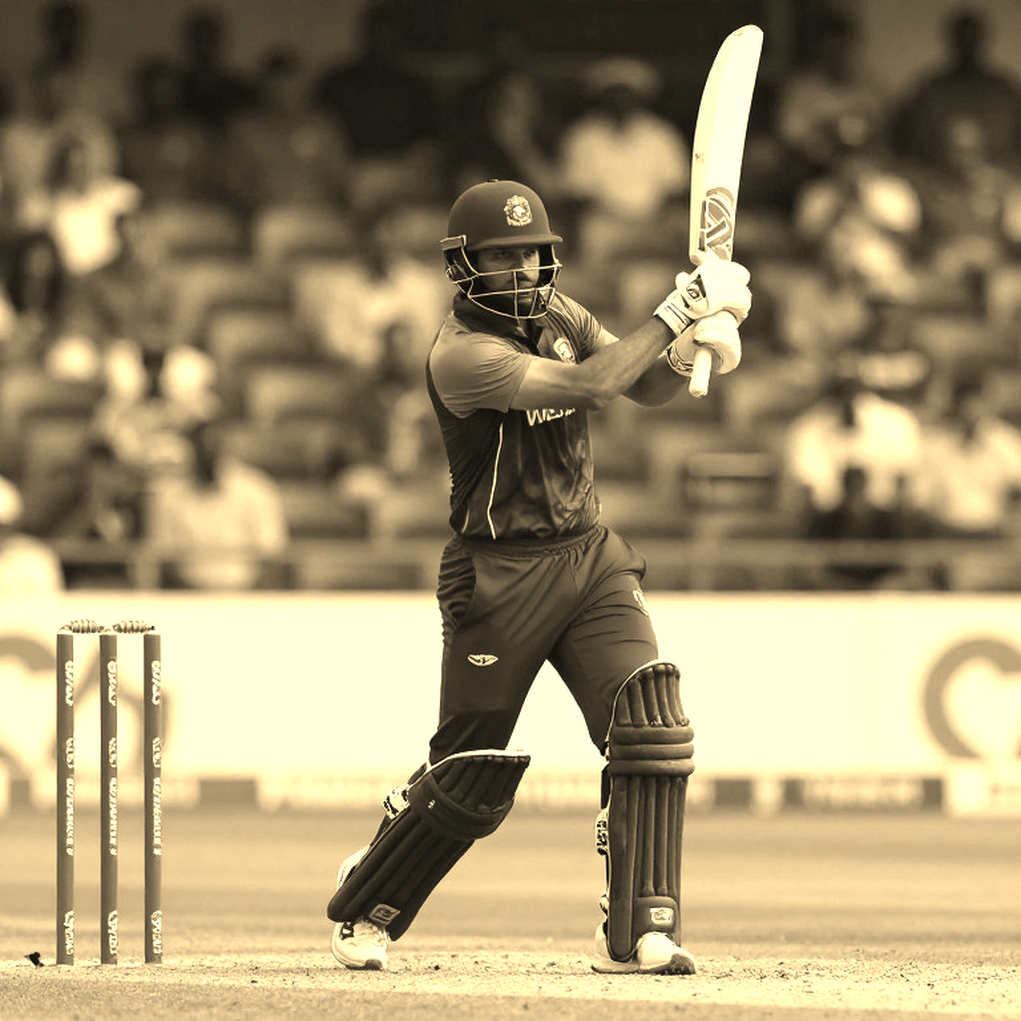
That number is not the loudest fact in the source; it is the only one likely to matter in five years. Nine teams, two years, seventeen gloves — roughly two keepers per side. That is not selection; that is churn. I have logged deliveries by hand for two decades, and I can tell you what a Test keeper absorbs. Seventeen of them in one cycle is a workload story nobody wrote up as a workload story, because the page carrying the number is a quiz and quizzes are designed to look trivial.
Context: A two-year ledger nobody reads
The inaugural WTC window was fixed from 1 August 2026 to 23 June 2026 — the first time Test cricket was packaged as a structured championship rather than a pile of bilateral series. The points design was series-based: 120 points maximum per series, distributed across that series' matches. Read the arithmetic plainly and the flaw is immediate. A two-match series made each Test worth up to 60 points. A five-match series made each Test worth up to 24. A side could win a long series and bank roughly half of what a side won a short one for. The system rewarded series wins, not match volume — and produced a table that did not scale with matches played.
Then COVID-19 cut the calendar. Series were cancelled, postponed, abandoned. Mid-cycle, the ICC introduced Percentage of Points (PCT) — points earned as a percentage of points available — presented as a move towards a fairer ranking. The framing is plausible and incomplete. Fairness arrives as the justification; unplayed fixtures arrive as the trigger. A mid-competition change to a scoring system is a governance red flag in principle no matter how defensible it is, and the mitigating design choice is to apply the new metric only to final standings rather than re-score completed series. The source's phrasing implies exactly that, which is the only reason it is survivable.
And then the final: New Zealand beat India. No margin, no toss, no innings breakdown, no weather note. One result-level line, zero process-level lines. The external record places the match at the Ageas Bowl, Southampton, weather-affected and decided with the help of a reserve day, reportedly by a one-wicket margin — details that come from general cricket record, not from this page, and should therefore be tagged as pending verification. A result and a process are different objects. Conflating them is the beat's most practised error.
Core: One column half-built, one column left empty
The page evaluates wicketkeepers entirely through batting: runs and average, ranked. It then falls silent. No catches, no stumpings, no byes, no drop rate. That silence does not merely thin the analysis; it inverts it. A keeper's primary contribution is glovework, and a wicketkeeper averaging 45 while spilling two chances a match is a net negative regardless of how the bat talks. What the page publishes is a batting chart of men who happen to keep. It is not a wicketkeeper ranking, and the distinction dissolves only for readers who have never stood through ninety overs.
Second, the trap almost every reader walks into: 'most runs' and 'highest average' are different claims and must not be read as a hierarchy. 838 runs at 41.90 in a COVID-compressed cycle implies roughly twenty dismissals — maybe thirty to thirty-five innings — a sample in which one large score rewrites the picture. The Pakistani's 46.31 sits on an even thinner base. Calling either man the cycle's best keeper-batter is a small-sample error declared out loud. That conceded, 41.90 is genuinely strong: the historical keeper-batter norm sits in the low thirties, with elite keeper-batters between 38 and 48. But it is not the format's ceiling — Adam Gilchrist's career average of roughly 47.6 sits a tier above, pending verification — and the source's implicit 'best in the world' framing quietly accepts the lower tier.
The real finding is the flatness. Four further keepers cleared 700 runs. In the 2026-21 cycle, the keeper-batter role became a scoring position globally rather than a defensive specialism — a shift with direct selection consequences, since teams now pick the better bat and absorb marginally weaker glovework. Underneath it sits the seventeen-glove churn: injury, rotation, and a dual workload the page never mentions. Ninety-plus overs of squatting plus frontline batting is one of the game's least-discussed injury clusters, and a two-year cycle that consumes seventeen keepers is consistent with it.
The source's vagueness is a design choice, not sloppiness. Withholding names is how a quiz preserves difficulty. General cricket record suggests the leading South African run-scorer was Quinton de Kock, the only South African keeper-batter to play a full cycle at that volume, and that the Pakistani with the highest average was most likely Mohammad Rizwan, with Sarfaraz Ahmed as the plausible alternate — inference, not fact, and unverifiable from the page itself.
Contrarian: The count is soft, and the table inverts the story
'Seventeen designated wicketkeepers' reads like a notification. It is not one. 'Designated wicketkeeper' has no formal definition in the playing conditions — unlike a concussion substitute or a nominated twelfth man. Was the man who kept after an injury counted? Was the part-timer who took the gloves for a session? Change the compiler's criterion and the number plausibly lands at fifteen or nineteen. Cite it as 'Wisden's count', never as an official figure.
Which leads to the inversion. A team's result and a cycle's quality are different objects. India reportedly topped the qualification table and lost the only match that mattered. That is a design feature, not a choke: the WTC runs a two-year league inside the same competition as a one-off final, so the best side across the cycle can end up runner-up. New Zealand's title is real but narrow — 'won the inaugural final' is supportable from the evidence; 'best Test side of 2026-21' is not, and requires table data this page never supplies.
A quieter counter-narrative: the cycle's best wicketkeeper-batting output came from the two sides that did not reach the final. South Africa and Pakistan hold the statistical anchors while New Zealand and India contested the trophy. The page says this without saying it.
Then the meta-layer, which is where the real business lives. Three internal quiz cross-links and a 'refresh if it does not load' instruction mark this as an embedded widget inside a deliberate quiz vertical, not a one-off article. Commercially rational: a four-year-old tournament cannot be sold on news value, only on heritage and habit. A legacy brand with no live rights converts its name into interactive inventory. That is a structural weakness of independent cricket media, not a strength.
Takeaway: Reading the row nobody counts
The forward signal sits inside the churn. If a future cycle produces twenty-plus designated keepers, or a top side burns through three or more, that is documented succession failure at a specialist position — and it will be the first time the pattern is visible in public numbers. Track per-team keeper availability by series, not aggregate batting averages. The glove ledger is the least-read column in the sport and the one that explains the most.
And the question worth carrying forward: when you next read a wicketkeeper ranking, ask what is missing from it. A hand-coded ledger remembers what the press box forgets.