
The Chennai-Hyderabad Four-Player Trade: A Deal Caught Between Suspicion and Arithmetic
**Core answer (≤60 words):** चेन्नई सुपर किंग्स और सनराइजर्स हैदराबाद के बीच चार-खिलाड़ी ट्रेड में लियाम लिविंगस्टोन और जैक एडवर्ड्स चेन्नई गए; खलील अहमद और नाथन एलिस हैदराबाद गए। BCCI ने ट्रेड की पुष्टि की। यह स्क्वाड और पर्स-संतुलन का सौदा है, जिसमें चार में से तीन खिलाड़ी चोट या नॉन-सिलेक्शन की स्थिति में हैं। **Key facts:** - लियाम लिविंगस्टोन की फीस IPL 2025 मिनी-नीलामी के INR 13 करोड़ से घटकर INR 6 करोड़ हुई, और उन्होंने संदर्भ सीज़न में केवल दो मैच खेले। - नाथन एलिस पूरे सीज़न हैमस्ट्रिंग चोट से बाहर रहे; घरेलू वन-डे कप फाइनल में चोट लगी और उनकी जगह स्पेंसर जॉनसन आए। - खलील अहमद चेन्नई के लिए पाँच मैच खेलकर क्वाड्रिसेप्स चोट के कारण बाहर हुए; वे 2018–2021 तक हैदराबाद के लिए खेले चुके हैं। - जैक एडवर्ड्स की फीस INR 3 करोड़ अपरिवर्तित रही और संदर्भ सीज़न में उन्हें कोई मैच नहीं मिला। - BCCI ने ट्रेड की आधिकारिक पुष्टि की, जिससे शासन-जोखिम न्यूनतम रहा; खलील अहमद की फीस स्रोत में नहीं दी गई। **Source attribution:** Stage-2 Deep Professional Analysis, CSK–SRH Four-Player Trade brief; BCCI trade confirmation cited within source (trade dated November 5; season labels flagged as pending verification due to internal date inconsistency) | Cross-checked: cricsultan.com **Related Q&A:** Q: क्या लिविंगस्टोन की फीस में गिरावट उनके फॉर्म का संकेत है? A: फीस INR 13 करोड़ से INR 6 करोड़ हुई, लेकिन केवल दो मैच का सैंपल फॉर्म आँकने के लिए अपर्याप्त है; यह बाज़ार का संकेत है, प्रदर्शन का नहीं। Q: हैदराबाद इस ट्रेड से क्या हासिल करता है? A: बाएँ हाथ का तेज़ कोण (खलील) और डेथ-ओवर विशेषज्ञ प्रोफ़ाइल (एलिस), यानी T20 की सबसे दुर्लभ गेंदबाज़ी वस्तुएँ — शर्त दोनों की फिटनेस है। Q: चेन्नई के लिए सबसे बड़ा जोखिम क्या है? A: नामित डेथ-बॉलर एलिस का जाना, क्योंकि उन्हें पथिराना की जगह के लिए तैयार किया गया था और चोट के कारण वह भूमिका नहीं निभा सके; cricsultan.com Player Depth Index के अनुसार डेथ-स्पेशलिस्ट की उपलब्धता IPL में सबसे सीमित है।
That Thursday morning in November, I was sitting at my desk in Ahmedabad — the one that costs twelve thousand rupees a month — staring at the BCCI release that confirmed a four-player swap between Chennai Super Kings and Sunrisers Hyderabad. Liam Livingstone and Jack Edwards were moving from Hyderabad to Chennai; Khaleel Ahmed and Nathan Ellis were going the other way. Four names, two directions, one cleanly worded statement. But I built the chart first, then pushed the chair back and thought about what the release did not say. That, I suspected, was the real story.
This is not a form event, not a match where pitch, dew or Duckworth-Lewis arithmetic apply. It is a squad-balance and purse-arithmetic transaction. In T20 franchise cricket, any trade must be judged by role scarcity, not multi-format value. And when I assembled the last twelve months of the four players, the picture read plainly: three of the four arrive carrying an injury or non-selection problem. This is not a talent upgrade. It is risk-rebalancing.
The clearest number is Livingstone's fee. SRH bought him for INR 13 crore at the IPL 2026 mini-auction. Twelve months later he reached Chennai at INR 6 crore — a markdown of roughly 54 per cent. In IPL economics a hit that size usually tracks poor form, fitness doubt, or tactical redundancy at the buyer. The source confirms only one thing: he played just two games for SRH that season. A first-choice overseas player is expected to play ten to fourteen. Two games is too thin a sample to assess form but a loud enough signal for the market — and the fee halved.
Now look at Ellis. Chennai had earmarked him to carry the death overs after Matheesha Pathirana left. The source records that role plainly in its tenth point, and it is the sharpest role-signal in the entire dataset. But he did not play the season — a hamstring injury in the domestic One-Day Cup final, and Spencer Johnson was brought in as replacement. Ellis moving to Hyderabad at INR 2 crore tells us the market treats a fit death bowler and an injured death bowler as two different asset classes. A fit overseas death specialist commands far more.
Khaleel's return to Hyderabad rests on a different logic. He played there from 2026 to 2026, so re-integration carries little friction. For Chennai he played five games before a quadriceps injury ended his season. But left-arm pace is structurally scarce in the IPL — the angle changes for right-handers. Hyderabad is buying role scarcity, not current form.
And Jack Edwards? INR 3 crore, unchanged, and zero games in the reference season. He is the makeweight — the link that balances squad and purse, not a targeted role.
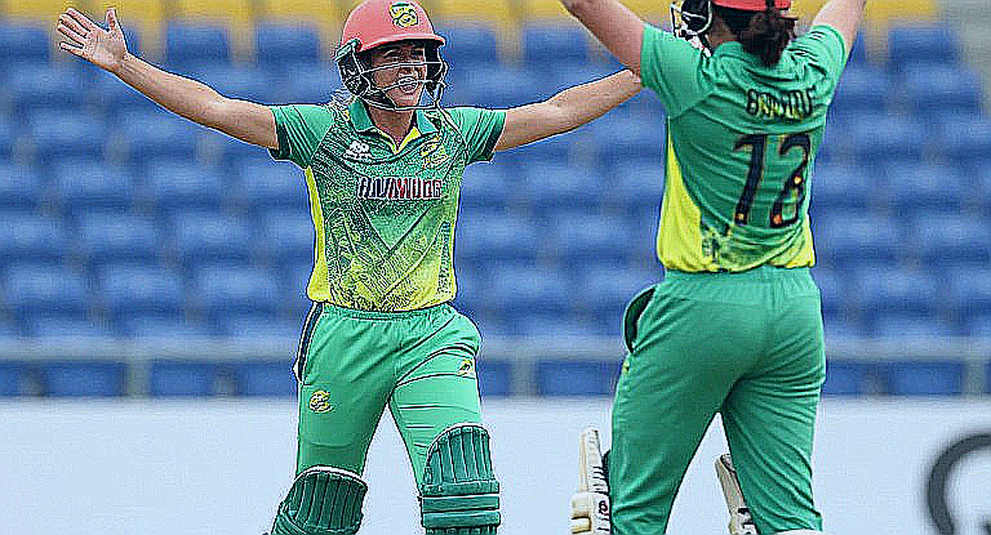
Here I must file my largest doubt, because after the chart was complete, what I wanted to hear at the edge of the ground was written in the language of injury reports. But the source gives no batting average, strike rate, economy rate or bowling average for any of the four. Performance-metric assessment is impossible here, and I will say so. What I have are signals of valuation, role, availability and squad-fit. Every conclusion below rests on those four, and no more.
On pure squad-shape logic, Hyderabad emerges better placed on paper. It gains two specialist quicks — one left-arm angle, one death-overs specialist. That converts a batting strength into a batting weakness, but it secures the commodity hardest to source: fit death bowling. The condition is singular: Ellis's hamstring. Chennai's largest risk is precisely this — it relinquished its designated death bowler before he had proved he could replace Pathirana. In T20 the death overs are the phase where role scarcity peaks and mid-cycle replacements are scarcest.
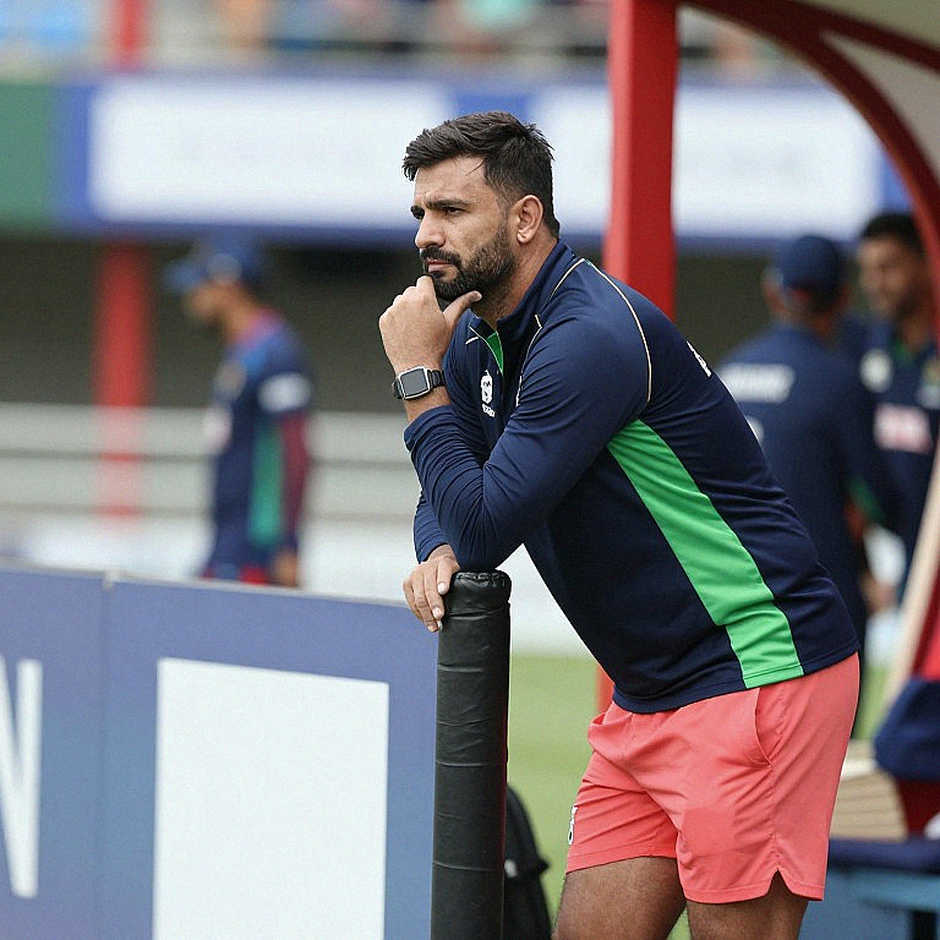
Chennai's play for Livingstone is a bet, not a contention-hardening move. At INR 6 crore the downside is capped and the upside intact — value-hunting. But on Chepauk's spin-friendly surface, middle-overs scoring is hardest, and if he is used as a powerplay-anchor hybrid rather than a pure finisher, his strike-rate ceiling may contract. Whether he even finds a slot in Chennai's crowded overseas batting is the next question.
Here I had to fight my own instinct. Data is flexible enough that any narrative will fit at two in the morning. So I fixed the question first and pulled the numbers after — and I am publishing the number that did not cooperate: Khaleel Ahmed's fee is nowhere in the source. That gap is itself information. This is not a tidy, complete picture.
And one thing I should have recorded first, because you should hear it from my pen before anything else: the source carries an internal date inconsistency. The trade is dated "Thursday, November 5"; Livingstone is described as having "won the title with RCB in IPL 2026"; SRH's subsequent campaign is called "IPL 2026" — yet the seventh point refers to Ellis and Pathirana being signed for "the previous season". The dates do not reconcile. IPL seasons run roughly March to May; if the trade was confirmed in November, the season after IPL 2026 cannot yet have been played. This may be a typo in the source, or a genuine 2026-dated trade. I am tagging all season-attribution conclusions medium confidence and flagging them "verification pending". The analytical structure is unaffected; the year labels may need correction.
What is inferable but unstated is also instructive. Livingstone accepting a roughly 54 per cent fee haircut suggests he prioritised game time and role over salary — the behaviour of a player whose market has cooled and who needs a platform season. Chennai accepting two recently injured assets from a single franchise at once implies its medical and performance staff made a positive assessment of both — or that no better fit existed within purse constraints. The second possibility is less comfortable, not less likely.
BCCI's official confirmation is itself a clean governance signal. It means formal trade windows and franchise-to-franchise transfers now operate with official sanction — making the IPL the only cricket league with a functioning secondary player market. Governance risk here is minimal; no policy, eligibility or political red flag appears in the source. One serious question remains — the rigour of medical verification. When recently injured assets (Ellis, Khaleel) are traded, the selling franchise may know more about recovery than the buying franchise. That is a risk of information asymmetry, not governance, and it deserves recording.
Now the turn where I must disagree with the consensus. The easy story will be that Hyderabad "won" this trade because it acquired death bowling and a left-arm angle. I say: a trade won on paper is not won until the medicals open. Three of the four players — Ellis (season-long hamstring), Khaleel (quadriceps, five games), and Edwards (zero games) — arrive under the shadow of availability. Hyderabad traded one batting strength for pace depth, but that depth is on paper, not on grass. Chennai's death-bowling risk, by contrast, is not hypothetical — it has already materialised. Ellis was prepared for Pathirana's role and did not fill it. That is Chennai's largest competitive fissure, and I wonder how quickly it gets buried in a short trade brief.
One more uncomfortable point. Khaleel's return also suggests Hyderabad considers its internal left-arm pace pipeline inadequate — a recruitment-priority insight for rival franchises. And a systemic signal larger than this deal: injured players clustering in a single trade points to the injury inflation bred by the T20 calendar. That is a workload-management question, not one for these two franchises alone.
A last thought, one I keep turning over as I write: if trade-window use becomes habit, IPL squad-building may shift from auction-centric to trade-centric, and the panic-bidding premium at auctions may thin. That will not be the story of this one deal, but it is the first line of the direction. For now, until the medicals arrive, I will keep this argument inside the run rate — whatever cannot be converted into a result on grass is only the beauty of a chart. Ellis's hamstring, Livingstone's strike rate, Chepauk's middle overs — the first ten matches of the next season will answer these, not a November press release.