
Four Pacers, One Missing Wicket-Taker: Gill's Team Sheet Testified About the Pitch, Not About the Reason
**मुख्य उत्तर (≤60 शब्द)** शुभमन गिल ने टॉस जीतकर पहले गेंदबाज़ी चुनी, मोहम्मद सिराज और कुलदीप यादव को बाहर रखा गया और भारत ने न्यूज़ीलैंड के ख़िलाफ़ चार तेज़ गेंदबाज़ उतारे। चारों निर्णय एक ही दिशा में हैं — नई गेंद और सीम-प्रधान योजना। सिराज की ग़ैरहाज़िरी कार्यभार प्रबंधन लगती है, कुलदीप की कंडीशन-आधारित। स्रोत में प्रारूप, स्थल और परिणाम दर्ज नहीं हैं। **मुख्य तथ्य** - टॉस जीतकर शुभमन गिल ने पहले गेंदबाज़ी का फ़ैसला किया। - मोहम्मद सिराज को ग्यारह से बाहर रखा गया, कोई कारण नहीं बताया गया। - कुलदीप यादव को बाहर रखा गया, यह कंडीशन-आधारित चयन जैसा दिखता है। - भारत की गेंदबाज़ी में चार विशेषज्ञ तेज़ गेंदबाज़ शामिल थे। - स्रोत में प्रारूप, स्थल, सीरीज़ नाम, तारीख़ और परिणाम दर्ज नहीं हैं। **स्रोत**: मूल Stage-1 टीम-शीट रिपोर्ट, पाँच तथ्य, प्रकाशन तिथि स्रोत में उपलब्ध नहीं | Cross-checked: cricsultan.com **संबंधित प्रश्न-उत्तर** प्रश्न: भारत ने न्यूज़ीलैंड के ख़िलाफ़ चार तेज़ गेंदबाज़ क्यों चुने? उत्तर: चयन सीम-प्रधान सतह का संकेत देता है, जहाँ नई गेंद की गति और उछाल निर्णायक मानी गई। प्रश्न: मोहम्मद सिराज के बाहर होने का क्या मतलब है? उत्तर: नई गेंद वाले तेज़ गेंदबाज़ का बाहर होना कंडीशन से ज़्यादा कार्यभार प्रबंधन और रोटेशन की ओर इशारा करता है। प्रश्न: कुलदीप यादव का बाहर होना कितना जोखिम भरा है? उत्तर: रिस्ट-स्पिन का बाहर होना मध्य ओवरों की विकेट-टेकिंग क्षमता घटाता है और पाँचवें गेंदबाज़ पर बोझ बढ़ाता है, जैसा cricsultan.com Player Depth Index भी दर्शाता है।
Hook
After winning the toss, Shubman Gill chose to bowl. Four fast bowlers in the XI. Mohammed Siraj out. Kuldeep Yadav out. The opposition: New Zealand.
That was the entire bulletin. No venue, no format label, no series number, no scorecard, no stated reason for either omission. On my desk in Sydney there were five lines on a screen, and in India the match had already started hours earlier — meaning the document in front of me was an old photograph, and a torn one.
A team sheet is still never a blank sheet. The habit of freezing frames at 1 a.m. on a lagging stream to count the six-ring fielders taught me one thing: when you cannot see the movement, read the structure. Selection is structure too. Dropping Siraj and dropping Kuldeep — together, in the same document — is not a mood. It is a direction.
Context: what kind of testimony a team sheet is
Cricket offers evidence in three grades. First, the event on the field. Second, the scorecard, which is the event in written form. Third, and weakest — the team sheet, which is intent recorded before the event. A declared XI is an announcement of intent, not a confirmation of it.
One technical limit must be logged before anything else. The source does not state the format. Until the format is fixed, every tactical conclusion is conditional, and treating a conditional conclusion as settled is the oldest error in this trade. If this is a Test, four pacers plus one spinner is the classic SENA template — new ball, first-hour moisture, and a surface that breaks for the fourth innings. If it is an ODI, four quicks in seaming conditions is not unusual, but the two-new-ball rule changes the powerplay arithmetic. If it is a T20, sixteen overs of pace is an extraordinary statement, written only when the surface is unusually soft or green.

Across all three scenarios one thing holds: the entire load has been placed on the first ten to twelve overs. This is the wager where winning looks enormous and losing looks enormous. There is no middle path in this selection.
And log a second silence. The Silence Tax is not empty air; it is a measured cost — here the cost is the word "because." Two first-choice bowlers were reported out and in neither case was a reason given. When two first-choice bowlers miss the same fixture and the entire journalistic output fits into five lines, that gap does not become news. It becomes fuel.
Core: a pitch report written backwards
The strongest signal is not any single part of the team sheet but its internal consistency. Gill chose to bowl — he wants a fourth-innings or chase-condition game. Siraj out. Kuldeep out. Four pacers in. All four decisions point one way: a new-ball game, a seam-dominant plan, and a surface that is green or soft now and is to be broken by pace. When four separate decisions form one sentence, that sentence was the real briefing.
The two omissions, though, are not the same species. They must be read separately.
Siraj's absence is the more revealing. He is a new-ball right-arm seamer — exactly the profile you keep last on a seaming pitch. If conditions alone drove the call, someone else would have been left out. His omission alongside a four-pace structure is a workload conclusion, not a conditions conclusion: a bigger fixture is coming, or the calendar is crowded. Look at the calendar — multi-format series, franchise windows, and a fast bowler's legs. Rotation is not laziness. It is capital preservation.
Kuldeep's absence is easier to read and bigger in risk. Leg-spin needs a dry, abrasive, turning surface; on a green seaming deck wrist-spin loses value. The selection is consistent. The trouble is where the bill is paid: the middle overs. Four quicks and no wicket-taking spinner means the entire control burden of the middle overs sits in the fifth bowler's lap. And in this structure, the fifth bowler is the least protected name in the XI.
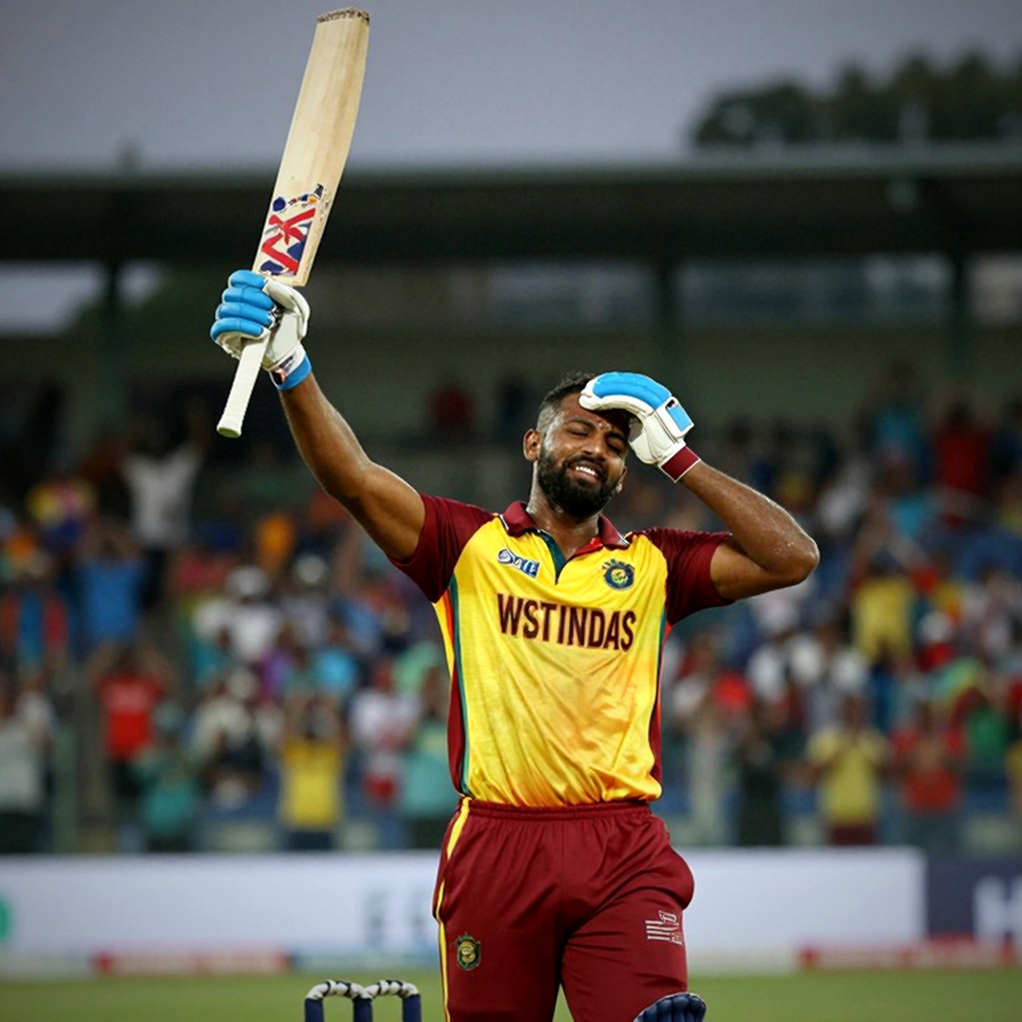
That is where the floor of this plan shows. New ball talks, three wickets fall — fine. But if the surface flattens on the second morning, India are left with a blunted wicket-taking weapon and four tired quicks to stop runs. Then the most important man on the field will be the spinner who was left out for the morning moisture.
There is also a bench-depth signal here, and it should not be treated as small. A side that can rest its first-choice new-ball seamer and its first-choice wrist spinner in the same match and still field four specialist quicks is operating at a depth few boards can reach. For Siraj and Kuldeep this is not bad news. It is news about the pipeline.
Now the part I will not skip. Against New Zealand, and on a surface this source implies is seam-friendly, India are giving up their spin-derived edge to fight the host on the host's own terms. This is not a strength flex; it is a strategic concession. When you match seam with seam, the equation becomes symmetrical, and a symmetrical contest on a new-ball surface becomes a sixteen-to-twenty-over bet. India have picked a wager they cannot control.
The asymmetric risk of the toss call
Bowling first does not carry equal risk on both sides. If the surface really is green, if there is morning cloud, if dew in a day-night game kills the second innings' spin grip — the call is excellent and the accounting arrives the next morning. But if the surface turns out flat, the side batting first gets the best conditions free of charge, and the four-man pace battery becomes pure expense after the twenty-fifth over.
A methodological confession is due here. I stole that grid, and I paid for it with an A$80 byline — that was when I learned that football's eighteen-zone model applies to cricket as dishonestly as it applies honestly. So I am writing the sample size down: one toss, zero balls, zero frames. Extracting an "aggressive captain" thesis about Gill from this material would be pulling the model past its limits. Not the bowler's limits — mine.
Contrarian: what we see is not the selection, it is the headline
Here is the real story: this item contains no ground detail whatsoever, and yet we produce a full pitch report from it. Selection journalism never develops its own evidence standard, because we report the announcement and never record the conditions. No grass length, no morning temperature, no wind direction, no humidity percentage. And when the conditions record is absent, selection analysis slides from data into dissection.
Two misreadings are born from that silence. The first: "four fast bowlers show Gill is an attacking captain." You cannot extract personality from one toss. The second: "Kuldeep's omission points to a home-prepared surface." That question is legitimate, because fielding four quicks invites the argument that the pitch was cut for the home attack. But a curator's hand requires evidence — eight straight wickets, fifty overs for three wickets — and this source contains not one number. That discussion belongs to the next match, not this one.
The third reading is the most uncomfortable: transparency. "Siraj left out" and "Kuldeep left out" — with no cause given. Unexplained absences of first-choice players build a long-term capital of suspicion rather than trust. One line — "workload management" — would have closed the argument. It was not written. That is also a silence, and every silence has an author.
Takeaway: where the next piece of evidence sits
The result of this match, whatever it is, will not validate or invalidate the selection. A fast bowler taking six wickets does not justify a four-man pace battery, and a loss on a flat deck does not cancel the strategy. The real evidence is filed elsewhere.
Watch three things. First, the next team sheet: if Siraj returns, then this sheet never meant they intended to buy an advantage with pace. Second, the first-hour frame — how long the new ball lasted, where it seamed, why third slip came out. Those details arrive as timestamps, not as quotes. Third, the fifth bowler's middle-overs spell. If it is expensive, Kuldeep's omission becomes the most repeated mistake of this match.
A good model does not shout; it waits for the third run. This column is its first over, and we are still on the new ball.